
Anúncios
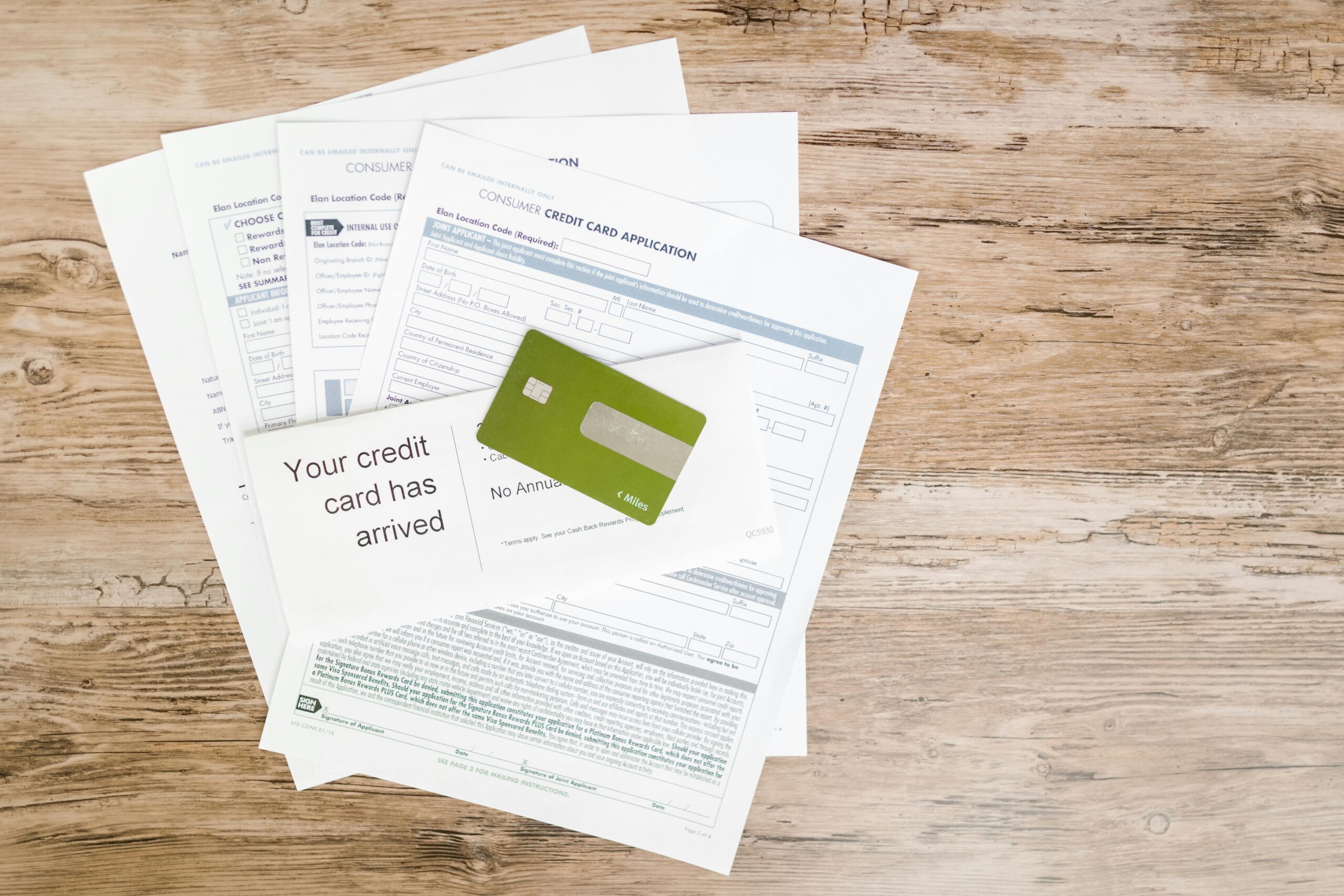
Getting a credit card in the UK can feel like navigating a digital maze, but understanding the common pitfalls makes all the difference.

BOOST UK SCORE 🚀
Look, I’ve been there – staring at that rejection email wondering what went wrong. The UK credit card market is sophisticated, and lenders use incredibly complex algorithms to assess applications. But here’s the good news: most rejections are totally avoidable once you understand what’s happening behind the scenes.
Think of applying for credit cards like preparing for a job interview. You wouldn’t show up unprepared, right? The same logic applies here. Banks and financial institutions are essentially interviewing your financial history, and they’re looking for specific signals that you’ll be a responsible borrower.
In this comprehensive guide, I’m breaking down the most common mistakes people make when applying for credit cards in the UK, and more importantly, showing you exactly how to fix them. Whether you’re a first-time applicant or someone who’s faced rejection before, these insights will dramatically improve your approval chances.
📊 Understanding How UK Credit Card Applications Really Work
Before we dive into the mistakes, let’s talk about what actually happens when you hit that “submit” button on a credit card application. The process is fascinating from a tech perspective.


UK lenders use sophisticated credit scoring models that pull data from credit reference agencies like Experian, Equifax, and TransUnion. Within seconds, algorithms analyse hundreds of data points about your financial behaviour. These systems look at everything from your payment history to how many times you’ve moved house in the past three years.
The technology behind these decisions has evolved massively. Modern systems use machine learning to identify patterns that humans might miss. They’re not just looking at whether you pay bills on time – they’re analysing your entire financial footprint to predict future behaviour.
What’s crucial to understand is that each lender has different criteria and risk appetites. A rejection from one provider doesn’t mean you’ll be rejected everywhere. Some specialise in customers with limited credit history, while others target those with established financial profiles.
🚫 The Electoral Roll Mistake That Kills Applications
Here’s something that catches people off guard: not being on the electoral register is one of the fastest ways to get rejected, and many applicants don’t even realise it’s a factor.
The electoral roll serves as proof of address and identity verification. When you’re registered, lenders can instantly confirm you live where you say you live. Without this, you’re essentially a ghost in the system, and financial institutions don’t lend money to ghosts.
I’ve seen countless applications rejected purely because of this oversight. The fix is incredibly simple but takes a bit of forward planning. You need to register to vote at your current address well before applying for credit – ideally at least three months in advance.
Visit gov.uk and complete the online registration. It takes about five minutes. Even if you’re not a UK citizen or don’t plan to vote, you can still register (with some exceptions for certain visa types). This single action can transform your application success rate.
The impact on your credit score is immediate once the information filters through to credit reference agencies. Think of electoral roll registration as the foundation of your credit identity in the UK.
💳 The Multiple Application Trap
This is probably the most damaging mistake I see, especially from people who are desperate to get approved. They apply to multiple credit cards in quick succession, thinking it increases their chances. Actually, it does the opposite.
Each credit card application leaves a “hard search” or “hard inquiry” on your credit file. These searches are visible to other lenders and signal that you’re actively seeking credit. One or two hard searches look normal. Five applications in a month? That screams financial desperation.
Lenders interpret multiple applications as a red flag. They wonder: why is this person scrambling for credit? Are they in financial trouble? Will they be able to manage repayments? Even if you’re applying for legitimate reasons, the optics are terrible.
The damage compounds because each rejection makes the next application harder. It creates a negative feedback loop that can take months to recover from. Hard searches stay on your credit file for 12 months, though their impact diminishes over time.
Here’s the smart approach: use eligibility checkers before applying. Most major UK credit card providers offer these tools, which perform “soft searches” that don’t affect your credit score. These tell you your likelihood of approval before you commit to a full application.
Space out your applications. If you’re rejected, wait at least three months before trying again. Use that time to improve your credit profile rather than desperately applying elsewhere.

🔍 Ignoring Your Credit Report Is Self-Sabotage
Applying for a credit card without checking your credit report first is like taking an exam without studying. You have no idea what the lender is going to see.
Your credit report might contain errors – incorrect addresses, accounts that aren’t yours, or settled debts still showing as active. These mistakes are more common than you’d think. A 2022 study found that roughly one in four UK credit reports contains some form of inaccuracy.
Beyond errors, your credit report gives you crucial intelligence. You can see your credit score, understand which factors are dragging it down, and identify areas for improvement. This information is gold when deciding which credit cards to apply for.
UK residents are entitled to free access to their statutory credit reports from all three major agencies. Services like ClearScore, Credit Karma, and Experian’s free tier make this even easier, providing regular updates and insights.
Check your report at least one month before applying for credit. This gives you time to dispute any errors and wait for corrections to process. Credit reference agencies typically have 28 days to investigate disputes.
Pay special attention to your address history. Mismatched or incomplete address records confuse lenders’ verification systems. Ensure all previous addresses for the past three years are listed correctly.
💰 Getting Your Financial Ratios Wrong
Lenders obsess over something called your debt-to-income ratio, and most applicants have no clue what theirs is. This ratio compares your monthly debt obligations to your monthly income, and it’s a critical approval factor.
If you’re already carrying significant debt relative to your income, new lenders worry about your ability to manage additional credit. Even if you’ve never missed a payment, high existing commitments can trigger rejection.
The sweet spot varies by lender, but generally, you want your total monthly debt payments (including the new credit card’s minimum payment) to be below 30-40% of your gross monthly income. Above 50%, and you’re in dangerous territory.
Calculate this before applying. Add up all your monthly obligations: existing credit cards, loans, mortgage or rent, car finance, and any other credit commitments. Divide by your gross monthly income. If the number is high, consider paying down existing balances before applying for new credit.
Credit utilisation – the percentage of your available credit you’re actually using – matters enormously too. Using more than 75% of your credit limits sends negative signals. Below 30% is ideal. If you’re maxed out on existing cards, that’s a massive red flag for new lenders.
📝 Application Form Mistakes That Scream Amateur
The actual application form seems straightforward, but there are subtle ways to torpedo your chances without realising it. These might seem like minor details, but algorithms are merciless.
Inconsistency between your application and your credit file is a killer. If you say you’ve lived at your current address for two years, but your credit file shows three years, the system flags a discrepancy. Always match what’s on your credit report exactly.
Employment details matter more than you think. Marking yourself as “self-employed” versus “employed” can dramatically affect your approval odds, even with identical income levels. Lenders perceive employed people as lower risk because of income stability.
Be honest about your income, but understand what counts. Most lenders accept salary, bonuses, investment income, and benefits. Some accept rental income if you’re a landlord. Don’t inflate figures – lenders can verify income through various databases and may request payslips.
The residential status field trips people up constantly. There’s a hierarchy in lenders’ eyes: homeowner (best), living with parents (neutral), tenant with private landlord (okay), tenant with housing association (less favourable). Be truthful, but understand how it’s perceived.
Never apply when you’re about to move house or change jobs. These life changes create uncertainty that lenders dislike. If you can, wait until you’re settled in your new situation for at least three months before applying.
⏰ Timing Your Application Strategically
When you apply matters almost as much as how you apply. There are genuinely better and worse times to submit credit card applications, and understanding this can boost your success rate.
End of the month is typically better than the beginning. Many lenders have monthly approval targets and quotas. Representatives and automated systems may be slightly more lenient as they push to hit numbers before the month closes.
Avoid applying during financial chaos in your life. Just opened a new bank account? Wait a month. Recently took out a loan? Give it three months. Changed jobs? Wait until you’ve completed probation and received a few payslips. Stability is attractive to lenders.
Your credit score fluctuates monthly as new information gets reported. If you’ve just paid off a significant balance or had a negative mark fall off your report (they typically disappear after six years), wait for the next reporting cycle so your improved profile is reflected.
Seasonality plays a subtle role too. January often sees tightened lending criteria as people are recovering from holiday spending. Late spring and autumn tend to be more favourable periods when lending appetite increases.
🎯 Choosing the Wrong Card for Your Profile
Not all credit cards are created equal, and applying for products that don’t match your financial profile is a recipe for rejection. This is where research pays massive dividends.
Premium reward cards and cashback cards with generous benefits require excellent credit scores, typically 750+. If your score is 650, you’re wasting an application. Instead, look at credit builder cards designed for people establishing or rebuilding credit.
Each lender has target customer profiles. American Express typically wants affluent customers with strong credit histories. Aqua and Capital One specialise in serving people with limited or impaired credit. Barclaycard sits somewhere in the middle with various tiers.
The credit limit you request matters. Asking for £10,000 when you earn £25,000 annually looks unrealistic. Many modern applications don’t ask for a specific limit, letting the lender decide, which is often the safer approach.
Balance transfer cards have stricter requirements than standard purchase cards because lenders know you’re bringing debt from elsewhere. If you’re planning a balance transfer, you’ll need a stronger credit profile than someone just wanting a card for everyday spending.
Student cards are designed for specific circumstances and usually require proof of university enrollment. Graduate cards bridge the gap between student and standard products. If you qualify for these category-specific cards, you’ll face less competition and more favourable approval odds.
🔧 The Recovery Plan After Rejection
So you’ve been rejected. It stings, but it’s not the end of the world. How you respond determines whether this is a temporary setback or the start of a negative spiral.
First, find out why. UK lenders must explain rejection reasons if you ask. Contact them and request specific details. Was it credit score, income, existing debt, or something else? This intelligence is invaluable for your next attempt.
Don’t immediately apply elsewhere. I know the temptation is strong, but remember the multiple application trap we discussed earlier. Take a breath and develop a proper strategy.
Request your credit report immediately if you haven’t already. Look for the issues that likely caused rejection and create an action plan to address them. Set specific, measurable goals with timelines.
Consider whether a rejection appeal makes sense. If you believe the decision was based on incorrect information or you have mitigating circumstances, you can ask for reconsideration. This works best when you have concrete evidence, like proof of income that’s higher than they assessed.
Use the waiting period productively. Register on the electoral roll if you weren’t already. Pay down existing credit balances to improve utilisation. Ensure all bills are paid on time. Every positive action incrementally improves your profile.
Build credit through other means. Consider a credit builder credit card, which has lower approval thresholds. Make small purchases and pay them off in full each month. This creates positive payment history that strengthens future applications.
🛠️ Building a Bulletproof Application Strategy
Now let’s put everything together into a systematic approach that maximises your approval chances. Think of this as your credit card application playbook.
Start at least three months before you actually need the card. This gives you time to optimise your credit profile, fix any errors, and position yourself as an attractive borrower.
Month one: Get on the electoral roll, check your credit report with all three agencies, dispute any errors, and identify which factors are weakening your score. Calculate your debt-to-income ratio and credit utilisation.
Month two: Take action on the issues you identified. Pay down high-utilisation credit lines, ensure all bills are current, avoid any new credit applications, and let positive behaviours accumulate on your report.
Month three: Research which specific credit cards match your profile. Use multiple eligibility checkers to find products where you have strong approval odds. Prepare your application details, ensuring everything matches your credit file exactly.
When you apply, do it during a stable period in your life. Make sure you’re not rushing because you need credit urgently – desperation leads to mistakes. Have all required information ready: employment details, income documentation, address history, and bank account information.
Apply for one card, then stop. Wait to see the outcome. If approved, excellent – use the card responsibly and build positive history. If rejected, follow the recovery plan we discussed and wait at least three months before trying again.
💡 Advanced Tactics for Difficult Situations
Some situations require specialised approaches. If you’re new to the UK, self-employed, or rebuilding credit after financial difficulties, standard advice might not cut it.
New UK residents face unique challenges because they have little to no UK credit history. Even if you had excellent credit in your home country, it doesn’t transfer. Start with basic bank accounts that report to credit agencies, then move to credit builder cards specifically designed for people establishing UK credit.
Self-employed applicants need to provide more documentation. Have your latest tax return ready, along with bank statements showing regular income. Some lenders specialise in self-employed customers and understand variable income patterns better than others.
If you have County Court Judgments (CCJs), defaults, or bankruptcies in your past, you’re not locked out forever, but you need cards designed for adverse credit. These typically have higher interest rates and lower limits, but they provide a pathway back to mainstream credit products.
Joint accounts can be both helpful and harmful. If you share finances with someone who has poor credit, it can affect your applications. Conversely, financial association with someone who has excellent credit can sometimes help, though this effect is often overstated.
📱 Using Technology to Your Advantage
Modern technology has made credit management infinitely easier than it was even five years ago. Smart applicants leverage these tools strategically.
Credit monitoring apps provide real-time updates when your score changes or new information appears on your report. Setting up alerts means you’ll know immediately if something suspicious appears, allowing quick action to prevent damage.
Open banking technology allows some lenders to assess your income and spending patterns directly from your bank account, potentially approving applications that traditional credit scoring would reject. This is particularly useful if you’re self-employed or have irregular income.
Comparison websites with built-in eligibility checkers are game-changers. Sites like MoneySuperMarket, Compare the Market, and Experian’s marketplace show approval likelihood before you apply, dramatically reducing wasted applications.
Budget tracking apps help you understand your debt-to-income ratio and identify areas where you can improve before applying. Better financial management translates directly into better credit applications.
The technology landscape keeps evolving. Artificial intelligence is making credit decisions more sophisticated but also more transparent. Some fintech lenders now explain their decisions in real-time, showing you exactly which factors influenced the outcome.
🎓 The Long-Term Credit Building Mindset
Getting approved for a credit card is just one step in a much larger financial journey. The habits you develop now determine your access to credit for decades to come.
Think beyond individual applications and focus on building a strong credit profile that opens doors automatically. The goal isn’t just getting one credit card – it’s positioning yourself so that lenders compete for your business rather than you competing for their approval.
This means consistently demonstrating responsible behaviour: paying everything on time, keeping utilisation low, maintaining stable employment and residence, and avoiding desperate credit-seeking patterns. These fundamentals never change, regardless of how lending technology evolves.
Track your credit score monthly and understand what makes it move. Celebrate incremental improvements and investigate unexpected drops immediately. Your credit profile is a living thing that responds to your financial decisions.
Most importantly, remember that credit is a tool, not an end in itself. The real goal is financial health and freedom, not accumulating credit cards. Use credit strategically to build your profile and access rewards or flexibility, but never carry balances you can’t afford to clear.
The UK credit system rewards patience, consistency, and informed decision-making. Quick fixes and shortcuts don’t work.
