Anúncios
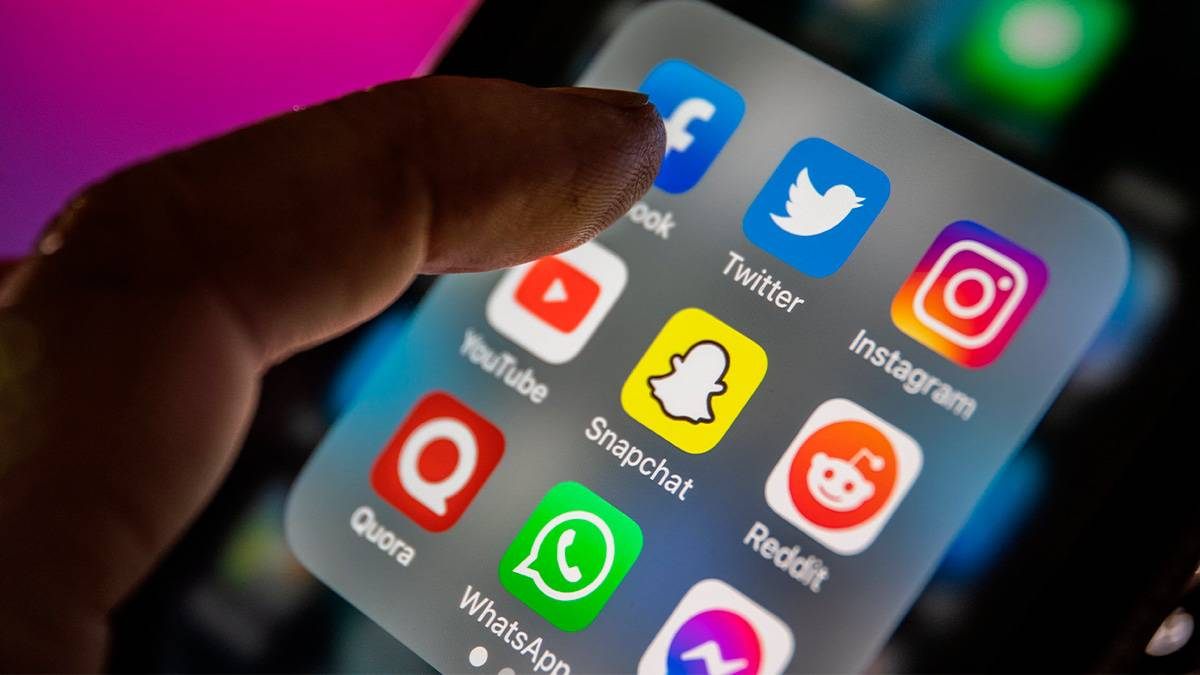
Ever wondered who’s been quietly checking out your Instagram stories, scrolling through your Facebook timeline, or viewing your LinkedIn profile without saying a word? You’re definitely not alone.
Understanding Social Media Privacy and Tracking
Learn More About Digital Privacy
The curiosity about who’s viewing our social media profiles has become almost universal in today’s digital age. Whether it’s an ex-partner, a potential employer, or just someone from your past, the mystery of anonymous viewers keeps millions of people wondering. This fascination has created an entire industry of apps, tools, and services claiming to reveal your secret admirers.
Anúncios
But here’s the reality: most social media platforms intentionally keep this information private to protect user experience and encourage genuine engagement. Understanding what’s actually possible versus what’s marketing hype can save you time, money, and potential security risks. Let’s explore the truth about tracking who’s checking you out online.
🔍 What Social Media Platforms Actually Tell You
Different platforms have varying levels of transparency when it comes to profile viewers. Understanding what each network reveals is the first step in satisfying your curiosity legitimately.
Anúncios
Instagram Stories, for instance, do show exactly who viewed them—but only for 24 hours. After that window closes, the viewer list disappears forever. Regular Instagram posts and your profile visits, however, remain completely anonymous. Instagram deliberately keeps this information hidden to maintain user privacy and prevent stalking behavior.
LinkedIn takes a different approach as a professional networking platform. With a premium account, you can see who’s viewed your profile in the past 90 days, including their job titles and companies. Free accounts get limited visibility, showing only the last five viewers and some anonymous “LinkedIn Member” entries. This transparency aligns with LinkedIn’s professional networking purpose.
Facebook offers virtually no visibility into who’s checking your profile. You can see who views your stories and who engages with your posts, but silent profile visitors remain completely anonymous. This policy protects casual browsing and prevents uncomfortable social situations.
📱 The Truth About Third-Party Tracking Apps
Walk into any app store and you’ll find dozens of applications promising to reveal your profile stalkers. These apps often have millions of downloads and convincing reviews. But here’s what you need to know before installing any of them.
Most “profile tracker” apps are scams or data harvesting operations. They cannot access information that the platforms themselves don’t provide through official APIs. When you grant these apps permission to access your social media accounts, you’re essentially handing over your personal data, contact lists, and sometimes even posting privileges.
These applications typically work in one of three ways: they show you random or fake data to keep you engaged, they track engagement metrics you could see yourself (likes, comments, shares), or they collect your information to sell to advertisers. None of them can actually tell you who’s silently viewing your profile because that data simply isn’t available.
Common Red Flags of Scam Tracking Apps 🚩
- Requesting excessive permissions unrelated to their stated function
- Showing “results” immediately without any data collection period
- Requiring payment before revealing supposed viewers
- Displaying suspiciously familiar names from your contacts or friends list
- Asking for your social media password (legitimate apps never do this)
- Poor grammar and spelling in the app description or interface
- Overwhelmingly positive reviews that seem artificial or generic
💡 Legitimate Ways to Gauge Interest in Your Profile
While you can’t see anonymous visitors, several legitimate indicators can give you insights into who’s interested in your content and profile.
Engagement metrics tell the most honest story. Someone who consistently likes, comments, or shares your posts is definitely paying attention. On Instagram, check who watches your stories regularly—these viewers are displayed in a specific order that often prioritizes accounts you interact with most and those who interact with you frequently.
Profile search appearances on LinkedIn can indicate professional interest. If you notice an uptick in profile views after posting certain content or connecting with specific companies, you can infer who might be checking you out based on timing and context.
Story interactions provide valuable clues across platforms. Someone who replies to your stories, reacts with emojis, or answers your polls is clearly watching. Instagram even shows you which followers didn’t see your story, which can reveal who’s actively seeking out your content versus passively scrolling.
🛡️ Protecting Your Privacy While Satisfying Curiosity
If you’re concerned about who’s viewing your profiles, the most effective strategy is taking control of your privacy settings rather than trying to spy on others.
Making your Instagram account private ensures only approved followers can see your posts and stories. This dramatically reduces unwanted attention and gives you complete control over your audience. You’ll know exactly who has access to your content because you personally approved each follower.
Regularly audit your followers and connections. Remove accounts you don’t recognize or no longer want having access to your life. On Facebook, you can customize who sees specific posts, creating friend lists for different sharing levels. This granular control lets you share freely while maintaining boundaries.
Privacy Settings Checklist ✅
- Review who can see your friends list/connections
- Limit who can see your past posts
- Disable location tagging or review tags before they appear
- Turn off activity status indicators
- Remove personal information like phone numbers and addresses
- Adjust who can send you friend requests or message you
- Enable two-factor authentication for account security
- Review third-party apps with access to your accounts
🎯 Platform-Specific Visibility Features Explained
Each social network has unique features that provide some visibility into audience behavior. Understanding these can help you gather legitimate insights without falling for scams.
Instagram Insights (for business and creator accounts) shows demographics about your followers, when they’re most active, and which posts performed best. While it doesn’t reveal individual viewers, it provides valuable aggregate data about your audience composition and behavior patterns.
Facebook Page Insights offers similar analytics for business pages, including post reach, engagement rates, and follower demographics. The “People” section reveals age ranges, gender distribution, and geographic locations of your audience—helpful for understanding who’s interested without identifying individuals.
Twitter Analytics displays impressions, engagement rates, and follower growth. The “Audiences” section breaks down your followers’ interests, demographics, and even their consumer behavior. Again, this is aggregate data, but it paints a picture of who’s paying attention to your tweets.
TikTok Analytics (for Pro accounts) reveals video views, follower growth, and audience territories. The “Followers” tab shows when your audience is most active and their gender distribution. These insights help you understand your viewership without compromising anyone’s privacy.
🔐 The Technology Behind Profile Privacy
Understanding why you can’t see profile visitors requires a basic grasp of how social media platforms architect their systems.
Social networks use complex database structures that separate different types of user actions. While they definitely track every page view, click, and hover for their own analytics and advertising purposes, this data isn’t made available to regular users. Exposing viewing data would fundamentally change user behavior and likely reduce platform engagement.
API limitations prevent third-party apps from accessing this information. Application Programming Interfaces (APIs) are the gateways that apps use to interact with social platforms. These APIs deliberately exclude profile view data from what they make available to developers. This means no legitimate third-party app can access information that isn’t provided through these official channels.
The privacy implications of revealing viewers would be enormous. Imagine if every website you visited showed the owner exactly who looked at their page. This would create a chilling effect on casual browsing, stalking concerns, and potentially dangerous situations for vulnerable users. Platforms prioritize user safety over satisfying curiosity.
🧠 The Psychology Behind Wanting to Know
Why are we so obsessed with knowing who’s checking us out? Understanding this impulse can help you manage it more healthily.
Validation seeking drives much of this curiosity. We want confirmation that we’re interesting, attractive, or noteworthy enough for others to seek out our profiles. This ties directly into how social media has rewired our brains to crave external validation through likes, views, and follows.
Ex-partner monitoring represents another common motivation. After breakups, many people obsessively wonder whether their former partner is still checking their social media. This behavior, while understandable, often prevents healthy emotional processing and moving forward.
Professional concerns legitimate some curiosity. Job seekers reasonably wonder whether potential employers are reviewing their profiles. This type of interest is more constructive when it motivates you to curate professional content rather than obsess over viewer identity.
📊 What Engagement Metrics Actually Reveal
Instead of chasing phantom viewer lists, focus on the rich engagement data already available to you. These metrics tell more meaningful stories about your audience.
| Metric | What It Reveals | How to Use It |
|---|---|---|
| Story Views | Who actively watches your content | Identify your most engaged followers |
| Post Saves | Content people find valuable enough to revisit | Understand what resonates deeply |
| Shares | Content worth recommending to others | Identify your most impactful posts |
| Comments | Posts that spark conversation | Engage in meaningful dialogue |
| Profile Visits | Interest following a specific post | Track what drives profile discovery |
These measurable interactions matter far more than silent profile views. Someone who saves your posts, shares them with friends, or takes time to comment is demonstrably more interested than someone who passively glanced at your profile once.
🚀 Building an Audience That Engages Openly
Rather than worrying about secret viewers, focus energy on creating content that encourages visible interaction and genuine connection.
Ask questions in your captions to prompt comments. Instagram’s algorithm favors posts that generate conversation, so this strategy serves both engagement and visibility. When people feel invited to share their thoughts, they’re more likely to interact openly rather than silently observing.
Use interactive story features like polls, questions, quizzes, and countdowns. These tools transform passive viewers into active participants. The responses you receive provide concrete evidence of who’s paying attention and what interests them.
Create valuable content worth engaging with. Educational posts, entertaining content, and emotionally resonant stories naturally generate more interaction than mundane updates. When your content consistently delivers value, your audience has reasons to engage rather than just lurk.
⚖️ Balancing Transparency and Privacy
The tension between wanting to know and wanting privacy cuts both ways. Most people simultaneously want to see who views them while appreciating their own anonymous browsing ability.
Consider how you’d feel if every profile you casually checked could see your visit. That LinkedIn profile you looked at while considering a career change. That ex’s new partner you looked up out of curiosity. Complete transparency would likely make you far more cautious about innocent social media exploration.
This empathy helps reframe the issue. The same privacy protections that keep your viewing habits anonymous protect others’ ability to browse freely. It’s a social contract that enables casual platform use without constant social anxiety about being “caught” looking.
🎓 Educating Yourself on Digital Literacy
Understanding social media mechanics, privacy principles, and digital safety should be ongoing priorities in our connected world.
Follow reputable tech journalists and cybersecurity experts who explain how platforms work. Understanding the business models, algorithms, and privacy policies of the services you use makes you a more informed, empowered user. Resources like the Electronic Frontier Foundation, Mozilla’s Privacy Not Included guides, and platform-specific transparency reports offer valuable education.
Teach these principles to younger users in your life. Teenagers and young adults often lack the critical thinking skills to identify scam apps and privacy risks. Having open conversations about what’s technically possible versus what’s marketing manipulation helps them navigate social media more safely.
Stay updated on platform policy changes. Social networks regularly update their privacy settings, data practices, and features. Following official blog announcements and reading updated terms of service (yes, actually read them occasionally) keeps you informed about how your data is used and what controls you have.
🌟 Shifting Your Social Media Mindset
The healthiest approach to social media involves focusing on what you control rather than obsessing over what you can’t see.
Curate your content intentionally. Post things you’re comfortable with anyone seeing—including people you haven’t approved or don’t know about. This mindset shift reduces anxiety about unknown viewers because you’ve already made peace with public visibility.
Define your social media purpose. Are you building a professional brand, staying connected with friends, showcasing creative work, or simply entertaining yourself? Clear intentions help you measure success by meaningful metrics rather than mysterious viewer counts.
Practice digital minimalism when curiosity becomes obsessive. If you find yourself constantly wondering who’s viewing your profile, downloading sketchy apps, or creating elaborate theories about viewer identities, these are signs to step back. The mental energy spent on unprovable speculation could be redirected toward creating better content or nurturing real relationships.
🔮 The Future of Social Media Transparency
Will platforms ever reveal profile viewers? Understanding industry trends helps set realistic expectations.
Most experts agree that major platforms are unlikely to add comprehensive viewer tracking. The privacy concerns, potential for harassment, and fundamental changes to user behavior make this feature incompatible with current platform goals. If anything, regulations like GDPR and CCPA are pushing toward more privacy protections, not less.
However, limited transparency in specific contexts may expand. Professional networks like LinkedIn have incentive to show more viewer data since professional networking benefits from knowing who’s interested. We might see more granular analytics for business accounts while personal profiles remain private.
Emerging platforms occasionally experiment with different transparency models. BeReal’s emphasis on authenticity, for instance, includes some visibility into who’s viewing content. Watching how these experiments affect user behavior and platform growth provides clues about whether mainstream networks might follow suit.
✨ Making Peace with the Mystery
Ultimately, not knowing exactly who views your social media profiles might actually be a gift rather than a frustration.
Focus instead on the relationships you can measure and nurture. The people who comment, share, and message you are demonstrating interest far more meaningful than a silent profile view. Invest your energy in these visible connections rather than chasing shadows.
Remember that you’re likely overthinking who’s looking at your profile anyway. Most of us dramatically overestimate how much others think about us. While you’re wondering who viewed your profile, they’re probably wondering the same about theirs. Everyone’s too busy worrying about their own social media presence to obsess over yours.
The quest to discover who’s spying on your social media is understandable but ultimately misguided. The technology doesn’t exist outside of scam apps, the platforms won’t provide it for legitimate privacy reasons, and your energy is better spent creating meaningful content and nurturing genuine connections.
Embrace the metrics you can see, protect your privacy with thoughtful settings, and make peace with the mystery of anonymous viewers. Your social media experience will be healthier, safer, and more authentic for it.
