Anúncios
Ever wonder who’s been lurking on your social media profiles? You’re definitely not alone in this curiosity! 🔍
Let’s be real for a second – we’ve all been there. You post a story, share a photo, or update your status, and then you start wondering: who’s actually checking out my content? Is it that person from high school? Your ex? Maybe that cute coworker who smiled at you last week? The mystery of social media stalkers has been keeping us up at night since, well, since social media became a thing.
Anúncios
The desire to know who’s visiting our profiles is totally normal. It’s human nature to be curious about who’s interested in our lives. But here’s where things get interesting – and a bit complicated. The truth about tracking profile visitors isn’t quite what those clickbait ads want you to believe.
The Real Deal About Profile Visitors 👀
First things first: most major social media platforms don’t actually offer a feature to see who’s viewing your profile. Yeah, I know, total bummer. Facebook, Instagram, Twitter (or X, if we’re being current), and most others deliberately keep this information private. There’s actually a pretty solid reason for this.
Anúncios
Think about it – if everyone could see exactly who was checking out their profiles, social media would become super weird, right? The whole point of these platforms is to allow people to browse freely, connect with content they enjoy, and explore without feeling like they’re being watched. It’s kind of like window shopping – you want to look around without the salesperson hovering over you the entire time.
But don’t lose hope just yet! While you can’t get a complete list of every single person who’s peeked at your profile, there are some legitimate ways to get insights into who’s engaging with your content. Let me break it down for you.
What Each Platform Actually Tells You 📱
Instagram Insights
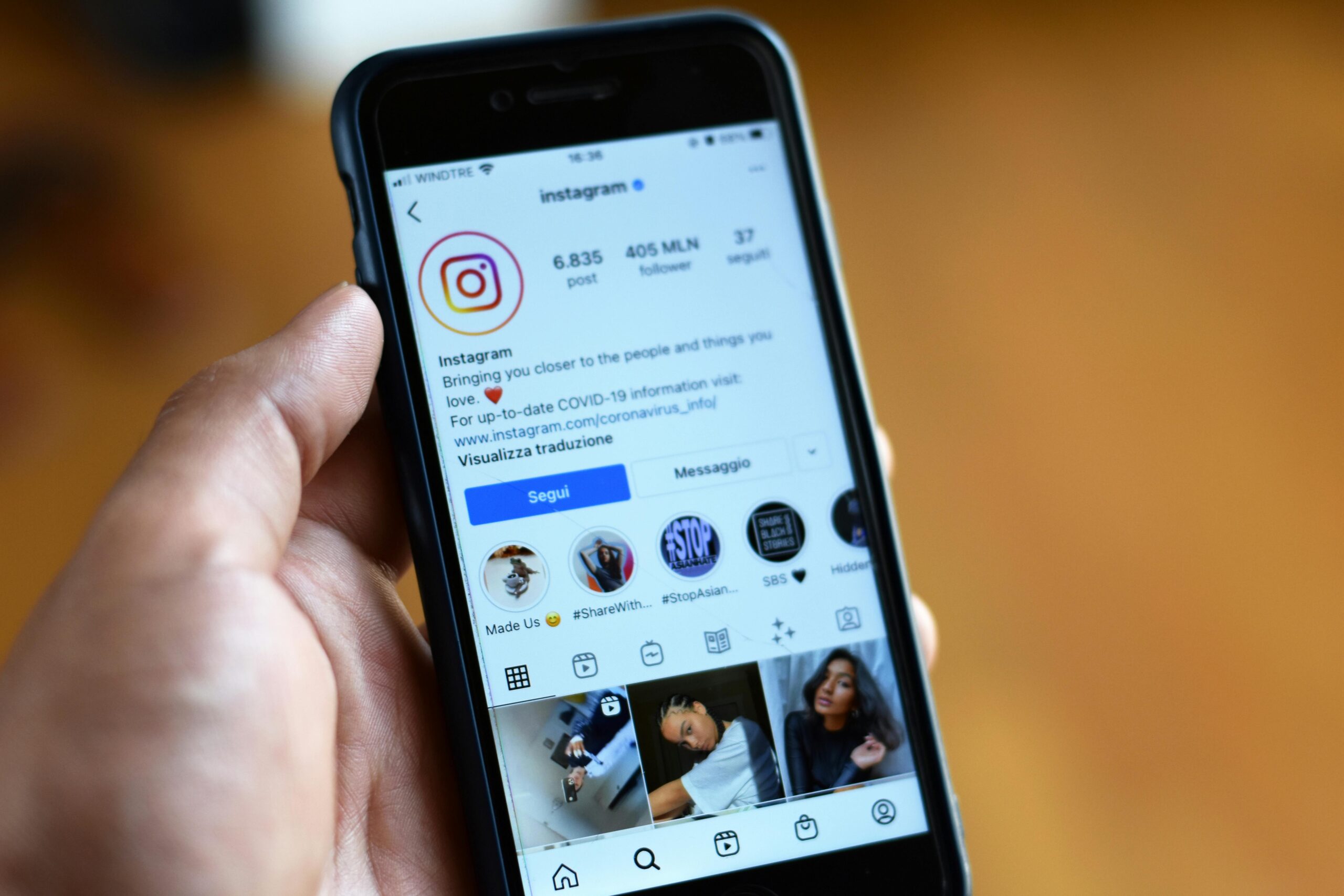
Instagram is probably where most of us want to know who’s stalking us the most. While you can’t see profile visitors directly, Instagram does offer some cool features if you have a business or creator account. You can see who viewed your stories (for 48 hours after posting), and you get analytics about your followers’ demographics, active times, and engagement patterns.
The story viewers list is particularly interesting because Instagram orders it based on a complex algorithm that considers your interactions, not just chronological viewing. So if someone appears at the top consistently, there’s definitely some mutual engagement happening there. Just saying! 😏
LinkedIn’s Transparent Approach
Now LinkedIn is a different beast entirely. This platform actually embraces transparency when it comes to profile visits. With a premium account, you can see exactly who’s been checking out your professional profile. Even with a free account, you get limited information about your recent visitors.
This makes total sense for a professional networking platform. LinkedIn wants to facilitate connections, and knowing who’s interested in your professional background can lead to job opportunities, collaborations, and meaningful networking.
Facebook’s Limited Information
Facebook keeps things pretty locked down regarding profile visitors. However, they do show you who viewed your stories and which friends are engaging most with your content. The platform’s algorithm also tends to show you content from people who regularly interact with your posts, creating a subtle feedback loop.
TikTok’s Analytics
TikTok offers profile view counts for Pro accounts, showing you how many people visited your profile and even breaking down the data by date. While you won’t see individual names, it’s still pretty cool to track your profile’s popularity over time.
The Apps Claiming to Reveal Your Stalkers 🚨
Okay, let’s talk about the elephant in the room – those apps that promise to show you exactly who’s stalking your Instagram, Facebook, or other social media accounts. You’ve probably seen ads for them, maybe even been tempted to download one.
Here’s the hard truth: the vast majority of these apps are either scams, privacy nightmares, or both. They often require you to log in with your social media credentials (huge red flag! 🚩), promise features that violate platform terms of service, or simply don’t work as advertised.
These apps might show you random names, generate fake statistics, or worse – harvest your personal data and use it for shady purposes. Some might even compromise your account security, leading to hacking or unauthorized access.
Social media platforms are pretty clear about this in their terms of service. Any third-party app claiming to bypass platform privacy settings is likely violating these terms, and using such apps could actually get YOUR account suspended or banned.
Legitimate Ways to Understand Your Audience 🎯
Instead of relying on sketchy third-party apps, here are some legitimate strategies to understand who’s interested in your content:
- Use built-in analytics: Switch to business or creator accounts on Instagram, TikTok, and Facebook to access official analytics tools
- Monitor engagement patterns: Pay attention to who consistently likes, comments, and shares your content
- Check your story viewers: This is one of the most reliable indicators of who’s actively checking your content
- Track DM patterns: Notice who initiates conversations and responds quickly to your messages
- Use LinkedIn’s native features: If professional networking matters to you, invest in LinkedIn Premium for detailed visitor insights
Reading Between the Digital Lines 🔎
Even without explicit visitor tracking, social media platforms drop hints about who’s interested in your content. The algorithm isn’t completely mysterious – it’s designed to connect people who interact frequently.
For example, if someone’s name keeps appearing at the top of your Instagram story viewers, that’s not random. The algorithm considers factors like how often they visit your profile, how quickly they view your stories, and how much they interact with your content overall.
Similarly, the friends who appear in your Facebook “People You May Know” suggestions or at the top of your friends list often include those who’ve been checking out your profile or whose profiles you’ve been viewing.
Privacy Considerations Matter Too 🔒
While we’re all curious about who’s viewing our profiles, it’s worth considering the flip side: do YOU want people knowing every time you check their profile? Probably not, right?
This privacy consideration is exactly why most platforms don’t offer detailed visitor tracking. It creates a balanced ecosystem where people can browse, discover, and engage without feeling surveilled constantly.
If you’re concerned about your own digital footprint, here are some tips:
- Avoid excessive profile visits to the same person – algorithms notice patterns
- Be mindful of accidentally liking old photos while scrolling through someone’s profile
- Remember that watching someone’s stories leaves a visible trace
- Consider what your engagement patterns reveal about your interests
The Psychology Behind Profile Stalking 🧠
Let’s get real about why we’re so obsessed with knowing who’s checking us out online. There’s actually some fascinating psychology behind this behavior.
Humans are naturally social creatures, and we’re wired to care about our social standing and how others perceive us. Social media amplifies this by creating a performance space where we curate our lives for an audience. Naturally, we become curious about who’s in that audience.
This curiosity can stem from various motivations: validation-seeking (wanting to know if specific people care about our lives), romantic interest (checking if crushes are interested), competitive comparison (seeing who’s watching our success), or simple social awareness (understanding our social network).
Making Peace with the Mystery ✨
Here’s something liberating to consider: maybe not knowing exactly who visits your profile is actually a good thing. It allows you to post authentically without obsessing over individual viewers’ reactions. It keeps social media from becoming even more anxiety-inducing than it already is.
Instead of fixating on who’s lurking in the shadows, focus on creating content that reflects your genuine interests and personality. The people who truly matter will engage, and you’ll build more meaningful connections than any visitor-tracking app could ever reveal.
Smart Alternatives to Stalker Apps 💡
If you’re genuinely interested in growing your social media presence and understanding your audience, there are much better approaches than trying to identify individual stalkers:
Invest time in learning about social media analytics through official platform tools. Instagram Insights, Facebook Analytics, and TikTok Analytics provide valuable data about your audience demographics, peak activity times, and content performance. This information is way more useful than knowing if your ex viewed your profile.
Consider using legitimate social media management tools like Buffer, Hootsuite, or Later. These platforms help you schedule content, track engagement metrics, and understand what resonates with your audience – all without violating platform terms of service.
Engage authentically with your audience. Respond to comments, create polls and questions in your stories, and encourage meaningful interactions. The people who consistently engage are your real audience, and they’re much more valuable than silent visitors.
What the Future Holds 🚀
As social media continues evolving, the conversation around privacy and transparency keeps shifting. Some platforms are experimenting with new features that balance user curiosity with privacy protection.
For instance, some newer social apps are toying with optional transparency features where users can choose to reveal when they visit profiles or remain anonymous. This opt-in approach might become more common, giving users control over their visibility.
However, major platforms like Instagram and Facebook seem committed to maintaining current privacy standards. They’ve learned that mysterious algorithms and limited visitor information actually keep users more engaged rather than scared away.
The Bottom Line on Profile Visitors 📝
So what’s the final verdict on discovering who visits your social media profiles? The reality is somewhere between total mystery and complete transparency, depending on the platform.
You won’t get a complete list of profile stalkers on most platforms, and that’s intentional. But you can gather meaningful insights through engagement patterns, story viewers, and official analytics tools. These legitimate methods respect privacy while still satisfying some of that natural curiosity.
Skip the sketchy third-party apps promising to reveal your stalkers. They’re not worth the security risks, privacy violations, or potential account bans. Instead, focus on creating authentic content and building genuine connections with people who actually engage with you.
Remember, social media is ultimately about connection, not surveillance. The most fulfilling approach is to share what matters to you and appreciate the community that forms around your content – whether you can see every individual visitor or not.
At the end of the day, the mystery of who’s quietly admiring your content from afar is kind of part of social media’s charm. It keeps things interesting, prevents overthinking, and allows everyone to browse freely. And honestly? That’s probably healthier for all of us in the long run! 😊
